
What is SEO?
SEO stands for “search engine optimization.” Search Engine Optimization (SEO) is the process of optimizing a website or online content to improve its visibility and ranking on search engine results pages (SERPs). In other words, SEO (Search Engine Optimization) helps your website appear higher up in the organic (non-paid) search results when people search for relevant keywords or phrases.
In Simple Words SEO stands for “search engine optimization.” It is the process of optimizing a website and its content to improve its ranking in search engine results pages (SERPs).
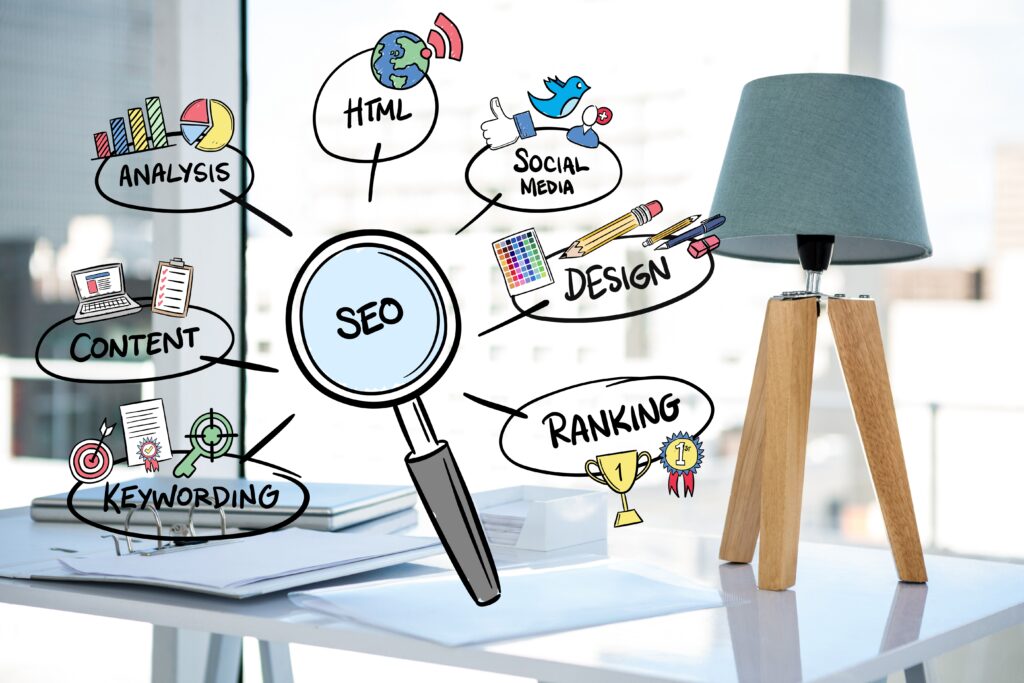
The goal of SEO (Search Engine Optimization) is to make your website more accessible and understandable to both users and search engines. It involves various techniques and strategies to enhance the quality and quantity of website traffic. SEO (Search Engine Optimization) is essential because the majority of online experiences begin with a search engine, and users are more likely to click on one of the top suggestions in the search results.
SEO का मतलब है “सर्च इंजन ऑप्टिमाइज़ेशन” (Search Engine Optimization)। यह एक प्रक्रिया है जिसमें वेबसाइट या ऑनलाइन सामग्री को उनकी दृश्यता और रैंकिंग को सुधारने के लिए अनुकूलित किया जाता है, ताकि जब भी लोग संबंधित Keywords या वाक्यांशों की खोज करते हैं, तो उनकी website उन search Engine के परिणामों के शीर्ष में प्रकट हो सके।
SEO क लक्ष्य है कि वेबसाइट को सर्च इंजन और उपयोगकर्ताओं दोनों के लिए अधिक पहुँचनीयता और समझने योग्य बनाया जाए। यह विभिन्न तकनीकों और रणनीतियों का संयोजन करता है ताकि वेबसाइट ट्रैफिक की गुणवत्ता और मात्रा में सुधार किया जा सके।
Importance of SEO

If you work in any industry where clients have websites, it’s important to understand the value of search engine optimization (SEO). SEO is the process of optimizing a website to rank higher in search engine results pages (SERPs) for relevant keywords. This can lead to increased visibility, traffic, and ultimately, conversions for the website.
- SEO is a long-term strategy that requires ongoing effort and monitoring.
- There are many factors that go into SEO, including on-page optimization, link building, and content creation.
- It’s important to stay up-to-date with the latest SEO best practices and algorithm updates from search engines like Google.
By prioritizing SEO for your clients’ websites, you can help them achieve their business goals and stand out from competitors in their industry.
Types of SEO:
1: On Page SEO
2: Technical SEO
3: Off Page SEO
1: On Page SEO:
On-Page SEO focuses on optimizing individual web pages to improve their search engine rankings. It involves optimizing content, HTML source code, and other elements within a webpage. This includes keyword optimization, meta tags, headers, and internal linking.
2: Technical SEO:
Technical SEO involves optimizing the technical aspects of a website to enhance its crawling and indexing by search engines. This includes improving site speed, mobile-friendliness, secure connections (HTTPS), XML sitemaps, and website structure. Technical SEO ensures that search engine bots can access and understand the site’s content effectively.
3: Off Page SEO:
Off-Page SEO refers to activities done outside the website to improve its visibility. The primary focus is on building high-quality backlinks from other reputable websites. Social media marketing, influencer outreach, and guest blogging are common off-page SEO techniques.
Techniques of SEO:
1: White Hat SEO
2: Black Hat SEO
3: Grey Hat SEO
1. White Hat SEO:
White Hat SEO refers to ethical and legitimate SEO practices that focus on optimizing a website following search engine guidelines. These techniques aim to improve the user experience, provide high-quality content, and gain organic traffic through proper keyword research, on-page optimization, link building, and other ethical methods. White Hat SEO is a sustainable approach that prioritizes long-term growth, quality content, and user satisfaction.
2. Black Hat SEO:
Black Hat SEO involves unethical and manipulative techniques to deceive search engines and achieve higher rankings. These techniques violate search engine guidelines and often lead to penalties and website bans when discovered. Black Hat SEO practices include keyword stuffing, cloaking, hidden text, paid links, and other deceptive tactics meant to artificially inflate a website’s ranking. While Black Hat SEO may provide short-term gains, it carries significant risks and can severely damage a website’s reputation and visibility in the long run.
3. Grey Hat SEO:
Grey Hat SEO is the mixture of 3% Black Hat and 97% White Hat SEO. Grey Hat SEO falls somewhere between White Hat and Black Hat techniques. It includes practices that are not explicitly against search engine guidelines but still raise ethical concerns. Grey Hat SEO practitioners may use methods like clickbait, purchasing social media followers, or using slightly manipulative link building strategies. While these techniques might not result in immediate penalties, they still carry risks, and websites employing Grey Hat tactics might face consequences if search engines update their algorithms or policies.